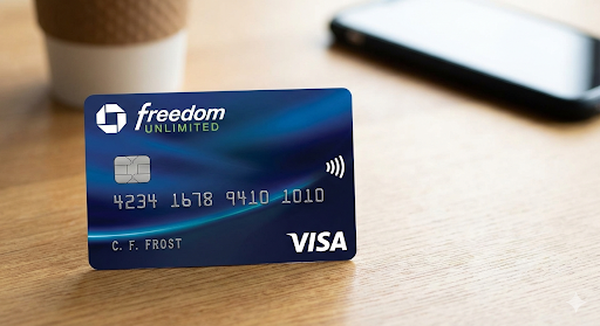
👍 The Good Stuff
- ✅ 1.5% Flat Rate: Earns 1.5% on all purchases, no caps.
- ✅ Bonus Categories: 3% on dining/drugstores, 5% on travel via Chase.
- ✅ Chase Trifecta: Points pool with Sapphire cards for higher value.
- ✅ Protections: Includes cell phone protection and purchase protection.
👎 The Bad Stuff
- ❌ Foreign Fees: 3% fee on international transactions (Do not use abroad).
- ❌ Not Elite Solo: 1.5% is lower than the 2% standard (like Citi Double Cash).
- ❌ 5/24 Rule: Subject to Chase's strict approval rules.
The Deep Dive
The flat-rate card that plays well with others. If you pair it with a Chase Sapphire Preferred or Reserve, your “1.5%” suddenly becomes worth 1.87-3+ cents per dollar spent.
The Chase Trifecta Strategy
This is why credit card nerds won’t shut up about Chase. You combine three cards to maximize every dollar:
- Chase Freedom Unlimited: 1.5% on everything (The Catch-All).
- Chase Freedom Flex: 5% rotating categories (The Specialist).
- Chase Sapphire Preferred: 25% redemption bonus & transfer partners (The Hub).
Earning Breakdown
- 5% (5x points): Travel purchased through Chase Ultimate Rewards portal.
- 3% (3x points): Dining and drugstores.
- 1.5% (1.5x points): Everything else.
Why 1.5% Beats 2% (Sometimes)
Citi Double Cash gives you 2% flat cash back. Freedom Unlimited gives 1.5% in Chase Ultimate Rewards points. If you have a Sapphire Preferred, you can transfer those points to airline partners where they can be worth 3+ cents per dollar. That’s why optimizers choose Freedom Unlimited over higher flat-rate cards.
Additional Perks
- Cell Phone Protection: Pay your bill with this card, get up to $800 coverage ($50 deductible).
- Purchase Protection: Covers new purchases against damage/theft for 120 days.
The 5/24 Rule (Important!)
Chase has an unwritten rule: if you’ve opened 5+ credit cards (from ANY issuer) in the past 24 months, you’re auto-denied. If you want Chase cards, get them early.